No God, No Logic: The Epistemic Suicide of Atheism

By Ajit Krishna Dasa

The Illusion of Neutral Logic

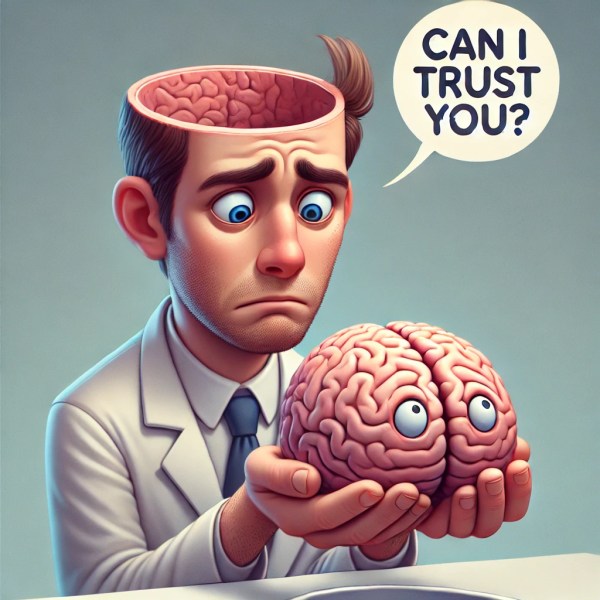
Many people—atheists and theists alike—believe that logic must be a valid epistemic tool simply because it cannot be denied without being used. “Even denying logic requires logic,” they say. “So logic must be valid.” This argument sounds compelling, but it is deeply flawed. It confuses necessity of use with justification. Just because something must be used does not mean it is grounded in truth.

Continue reading “No God, No Logic: The Epistemic Suicide of Atheism”

How Vaisnava Epistemology Defeats Atheism

By Ajit Krishna Dasa

As we engage in philosophical discussions, we must be mindful of our approach. Many devotees of Krishna make the mistake of refuting individual arguments one by one, like facing an attacking lion and trying to wound its limbs instead of stopping it entirely. Imagine being in the wilderness, and a fierce lion suddenly charges toward you. If you panic and merely injure its legs, paws, ears or tail, it will keep coming, adapting to its injuries and growing more aggressive. Every second wasted prolongs the danger. The wise person knows that the only way to truly stop the threat is to aim for the heart or the head—the vital points that ends the attack instantly.

Continue reading “How Vaisnava Epistemology Defeats Atheism”

Atheists Observe Life but Fail to Account for It

By Ajit Krishna Dasa

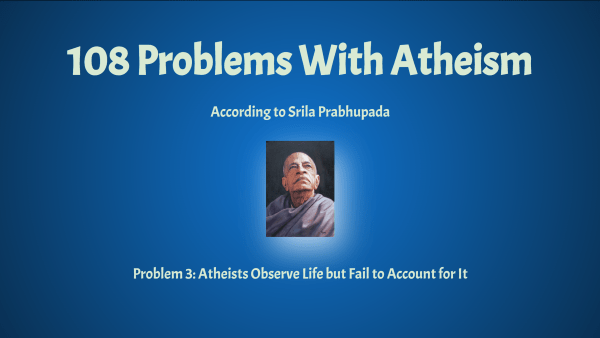
One of the greatest failures of atheistic thought is that while atheists observe life all around them, they are unable to account for its origin in a coherent and consistent way. They assume life must have emerged from matter, yet they cannot demonstrate how or why this would happen. Their worldview fails to provide a foundation for explaining life itself. Materialistic scientists propose that life arises from non-life through random chemical reactions, but this claim remains speculative and unsupported by observable evidence. Srila Prabhupada repeatedly challenged this notion, emphasizing that life comes from life, not from dead matter.

Continue reading “Atheists Observe Life but Fail to Account for It”

Trusting Our Senses and Cognitive Faculties for Knowledge

By Ajit Krishna Dasa

Our Vaisnava philosophy tells us that our senses and reasoning powers are limited and defective when it comes to gaining knowledge. Srila Prabhupada explains:

” … anyone born through the material energy must be subject to the four material deficiencies: bhrama (the tendency to commit mistakes), pramada (the tendency to be illusioned), vipralipsa (the tendency to cheat) and karanapatava (imperfect senses).”

Continue reading “Trusting Our Senses and Cognitive Faculties for Knowledge”

Is God a Psychological Crutch?

By Ajit Krishna Dasa

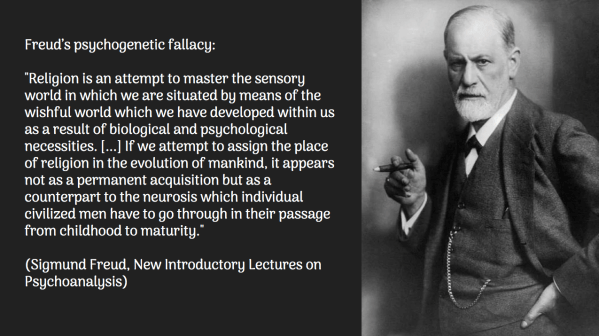
Atheists commonly argue against the existence of God by claiming that theists only believe in God due to psychological reasons. For example, Sigmund Freud, founder of the psychoanalytical school of psychiatry, claimed that religious belief is an obsessional neurosis, that God is nothing more than a psychological crutch, an illusion, a form of wishful thinking caused by human weakness.
Continue reading “Is God a Psychological Crutch?”

Website Powered by WordPress.com.

Up ↑